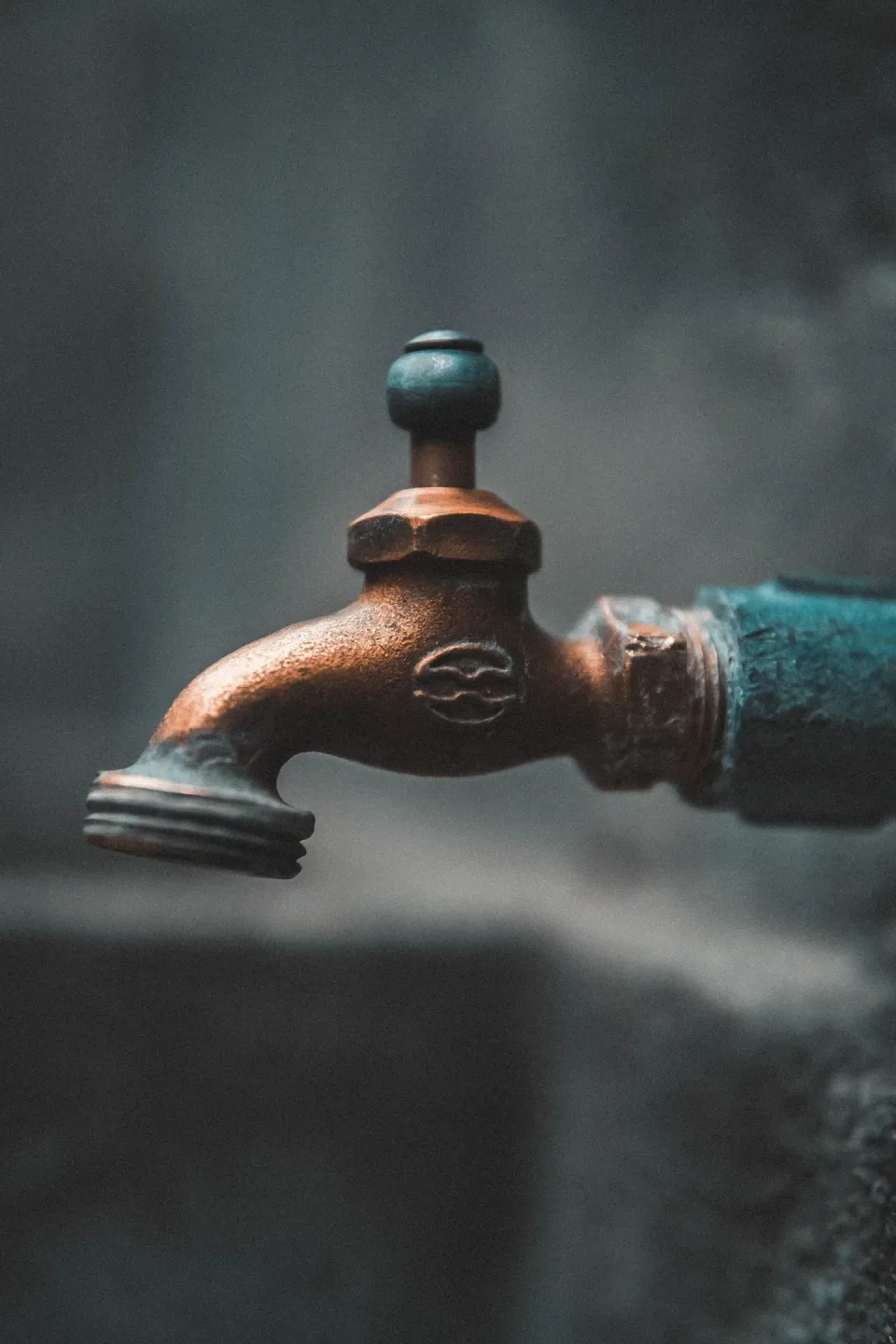
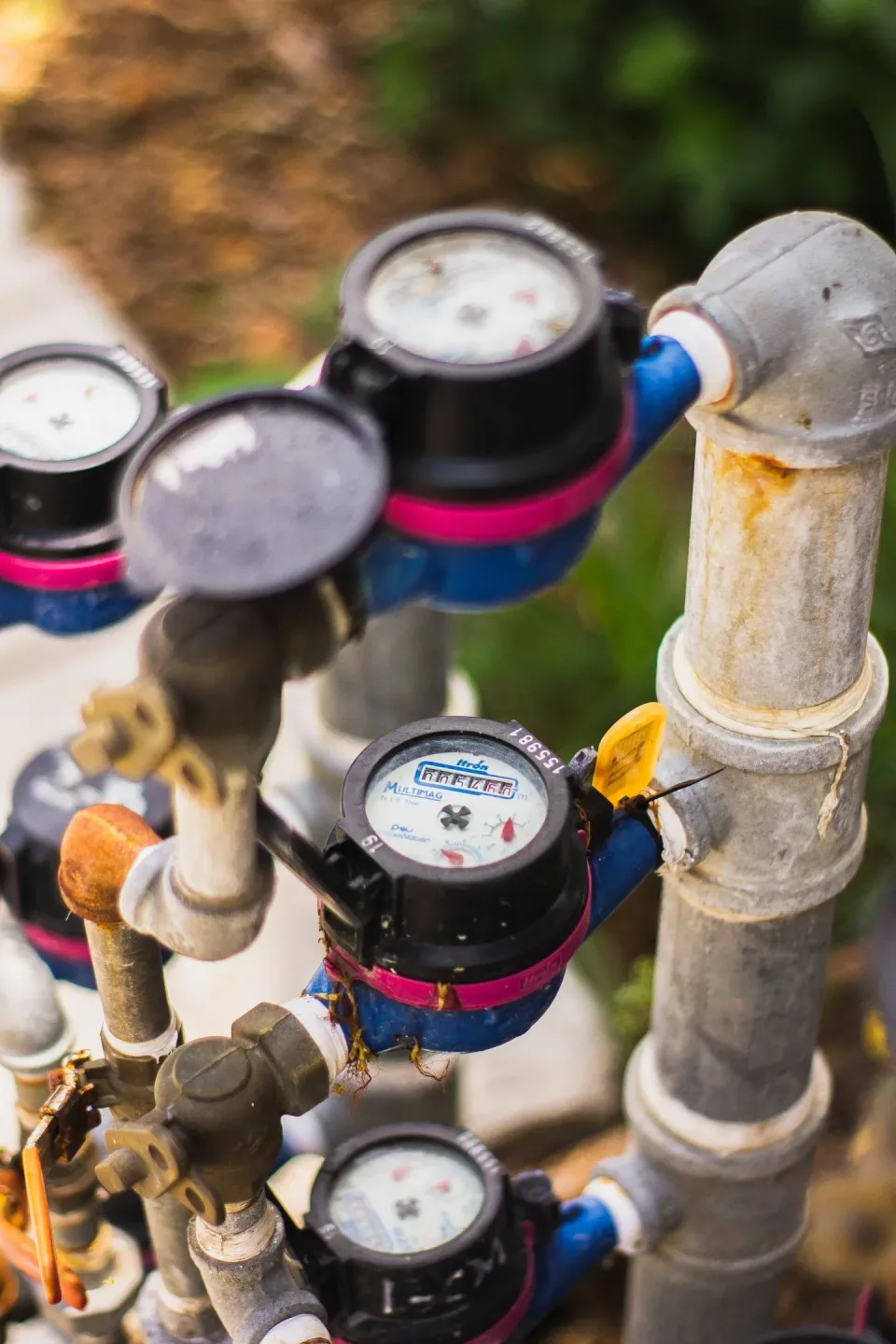
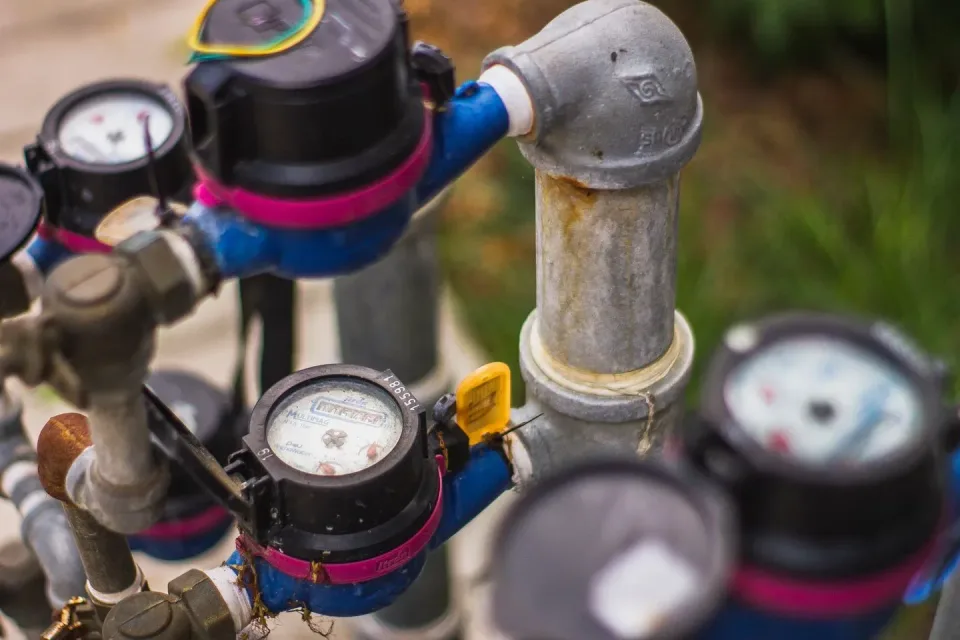
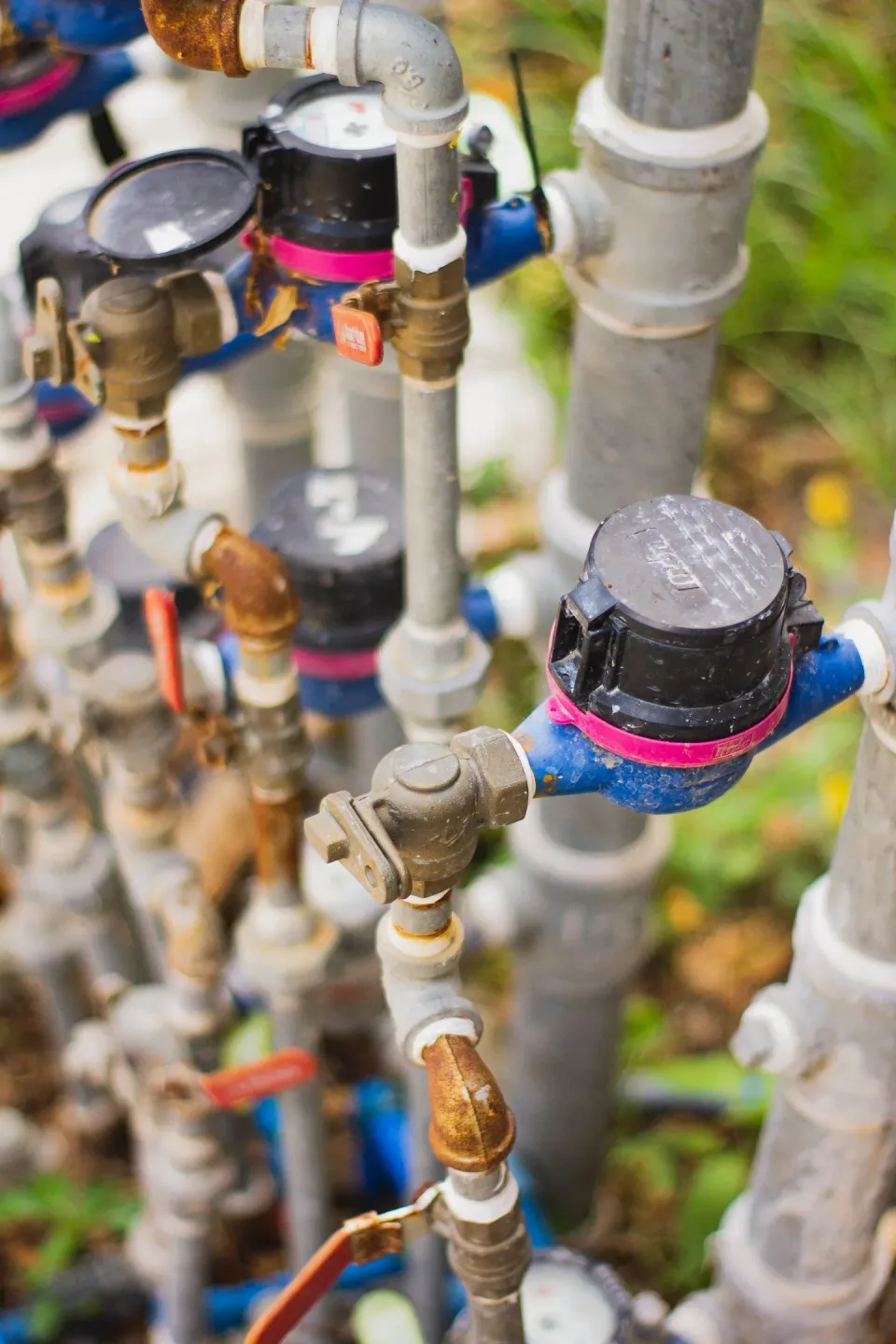
Why Do Honolulu Faucets Trickle in the Morning?
Morning faucet trickles often happen when household demand exposes a pressure or flow restriction. If several taps slow at once, the cause may be upstream; if only one does, its aerator or branch line deserves a closer look. In Waikiki, Honolulu, households may notice the change when several people start showers, laundry, or breakfast routines together.
Tropical storms can disrupt water and power service, so after a storm-related outage, check whether the problem affects neighbors before assuming a fixture has failed. Near Honolulu Harbor, salt exposure can also affect exposed plumbing equipment over time. A brief check helps separate a household issue from a wider service interruption.
-
Compare fixtures: Run a bathroom and kitchen tap to see whether both weaken.
-
Check hot and cold: Note whether the trickle affects one side or both.
-
Watch timing: Record whether flow returns after morning demand eases.
If the issue repeats, note which fixtures are affected before arranging an inspection.
What makes faucets trickle during busy mornings?
A faucet that slows only while several fixtures run points toward a demand-related restriction, not necessarily a broken tap. We compare the flow at more than one fixture and measure pressure with fixtures closed and while water is running; those readings distinguish stored pressure from performance under demand.
The difference matters. A reading taken with every tap off cannot show how the system behaves during the morning rush.
In homes using a private supply, seasonal drought can affect the available water, so a recurring morning drop may call for checking supply levels as well as plumbing. A property owner using a well can ask about well pump service in Honolulu if the supply depends on a pump. We do not recommend replacing a pump based on one weak faucet; first we establish whether the trouble is system-wide or local.
Could a filter or leak be restricting flow?
Yes, a clogged filter, partly closed valve, leak, or narrowed pipe can limit flow, especially when demand rises. If a sediment filter cartridge has been used, inspect its condition and replacement history; a loaded cartridge can restrict water moving through the line. Do not discard it before noting its type and condition, since that information can help identify whether filtration is part of the problem.
Brief intense showers may expose roof or yard leaks by making new damp spots easier to notice. A leak near the supply route can waste water and, depending on its location, reduce the flow reaching fixtures.
If you see unexplained wet ground, staining, or a running meter when fixtures are off, stop guessing and arrange a leak check. For one weak tap only, cleaning its removable aerator is a reasonable first step.
When should you call a plumber instead of DIY?
Try simple checks first: remove and rinse a faucet aerator if you can do so safely, confirm its shutoff valves are open, and compare another fixture. Stop there if several taps remain weak, pressure drops sharply when an appliance runs, or you hear pump cycling or water hammer. Opening pump electrical compartments or adjusting a pressure control without testing can create a safety risk or hide the fault.
Our crew diagnoses before recommending parts. We record pressure under both closed-fixture and flowing conditions, then check likely restrictions and equipment.
If the pattern suggests a pump problem, our notes can help determine whether repair or other work is warranted. For a broader look at that symptom, see why pressure drops when appliances run.
What can rainfall reveal about a pressure problem?
A faucet that trickles after a shower is not proof that rain damaged the water line, but new damp areas deserve attention. Haleakala National Park is a reminder that conditions across the islands vary; rainfall and exposure at a property can differ substantially from conditions elsewhere. For a homeowner, the useful step is local observation: note where water collects, whether a leak appears after rain, and whether faucet flow changes at the same time.
In field diagnosis, we separate a visible drainage issue from a pressurized supply leak rather than treating every wet patch as a pipe failure. That keeps the repair focused. If pressure loss continues after the weather clears, record which fixtures are affected and when, then ask for a pressure test.
Which Repair Fits a Morning Faucet Trickle?
The Bishop Museum is a familiar Honolulu landmark, but the useful comparison here is the equipment and its job. During hurricane season, which runs June through November, a storm-related service interruption may resemble a plumbing fault; check whether the timing follows an outage before selecting a repair. If work requires documentation, ask whether inspection-ready plumbing records are needed for the specific scope.
| OptionBest forKey detail | |—|—|—|
| Pressure regulator replacement | Poor or inconsistent pressure after regulator | Common regulator size: ¾–1 inch |
|---|---|---|
| Pressure tank replacement | Pump cycling or limited stored water | Residential tanks: 20–80 gallons |
| Water filter replacement | Flow restricted through filtration | Point-of-use filters serve one fixture; whole-house units serve branches |
A visit to Iolani Palace can be planned ahead; plumbing work also benefits from planning, especially if documentation is required. Iao Valley State Monument and Kahului, Maui, illustrate how far apart island locations can be, so confirm the job site and access needs when scheduling service.
How Should You Prepare for a Faucet Pressure Check?
If several faucets trickle before work or school, note which ones are affected and whether the problem clears once use slows. Share those details when booking so the visit can focus on the right part of the system. Prepare the work area.
-
Record the symptoms: List affected fixtures and whether hot, cold, or both sides run weakly.
-
Locate the shutoff: Confirm where the property water shutoff is before the appointment.
-
Clear equipment access: Move stored items away from the pump, pressure tank, or plumbing area.
-
Check electrical access: Verify the outlet and circuit access if a pump may need testing.
-
Plan entry and parking: Kamehameha Highway can affect travel planning, so share access instructions and parking details in advance.
-
Mention the property location: If you are on the North Shore, provide the site location early so the visit can be planned appropriately.
-
Ask about the repair method: A pipe threader may be needed for some threaded pipe work; ask what access or water shutoff the proposed job requires.
Leeward areas are generally sunnier and drier, but that does not rule out a supply restriction; ask the plumber to confirm pressure at multiple fixtures before recommending parts.
Get a Clear Diagnosis for Morning Faucet Flow
A morning trickle can come from a fixture restriction, a supply problem, or equipment that cannot keep up with demand. Compare more than one tap and note whether the change affects hot and cold water before deciding what to repair.
Warm temperatures reduce freeze risk at low elevations, so a persistent slowdown there is more likely to call for checking flow, supply, or plumbing condition than looking for frozen pipes. The wet season typically runs November through March, when weather-related interruptions may complicate the timing of a pressure problem; note whether the symptom began during an outage.
If flow remains weak, contact Hawaii Plumbing Pros for a measured diagnosis. Our crew checks the system before recommending a repair. Start with Low Faucet Pressure Repair and share which fixtures slow down.