What Does Cloudy Water After Pressure Loss Mean?
Cloudy water after a sudden pressure loss can come from disturbed sediment, air in the line, or a supply problem; first, run a cold tap briefly and see whether it clears. If cloudiness persists, avoid drinking it until you can identify the cause.
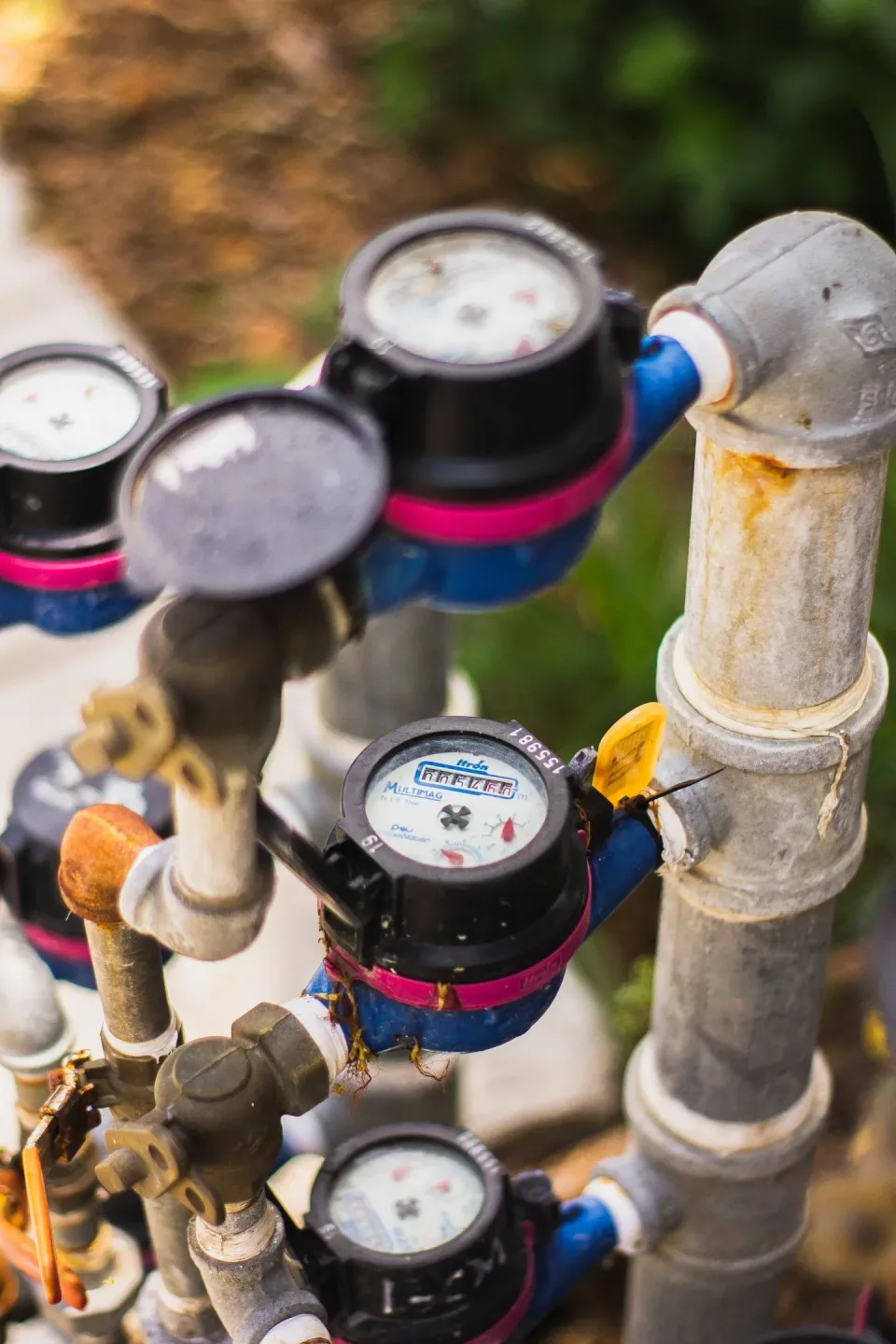
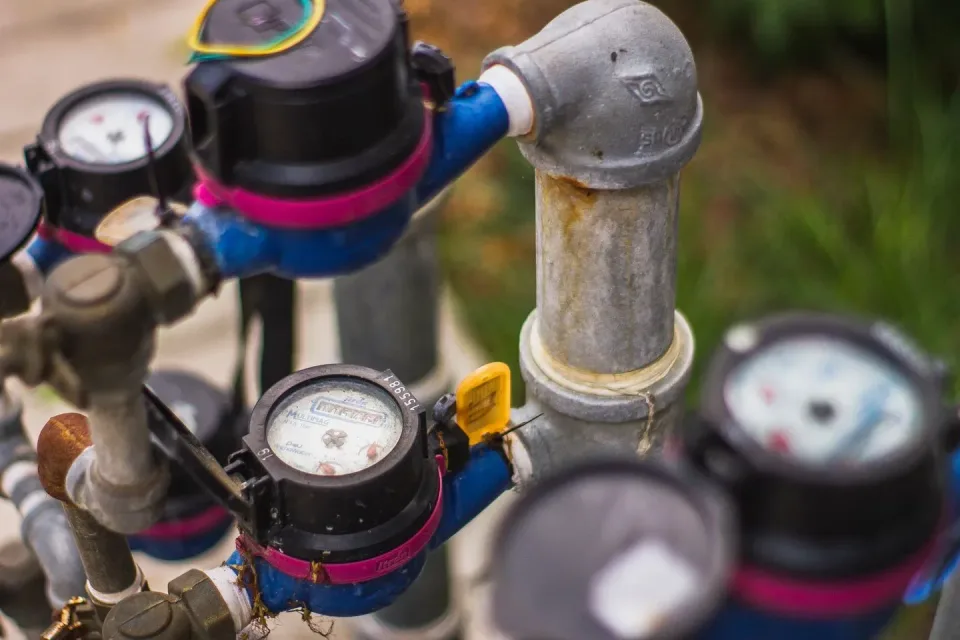
Dynamic water pressure means the pressure while water is flowing, so a drop during use can reveal a restriction or supply issue that a closed-tap check may miss. A search for low water pressure after water meter Hawaii often points homeowners toward the meter, but do not open utility equipment yourself.
Note which fixtures are affected. In Waikiki, Honolulu, coastal humidity can speed corrosion around exposed plumbing.
We can test the system and explain the findings before recommending work; ask a water pressure plumber near me if pressure loss and cloudy water continue.
What Should You Check When Water Turns Cloudy?
After pressure drops, fill a clear glass from a cold tap and let it stand for a minute. If the cloudiness clears from the bottom upward, air bubbles may be involved; if color or particles remain, stop using that water for drinking and cooking until the source is checked.
Compare more than one fixture, including a tap on another floor. A low water pressure troubleshooting guide for homeowners should begin with what changed: one fixture, hot water only, or the whole house.
That distinction prevents unnecessary part replacement. Around Diamond Head State Monument, trade winds bring frequent breezes and windward showers, but weather alone cannot confirm the cause of cloudy tap water.
Can a Leak or Clogged Main Line Explain the Drop?
A water leak pressure loss can show up as a sudden pressure change, damp ground, an unexplained wet patch, or a water meter that moves when every fixture is shut off. Do not dig to investigate.
A clogged main water line may restrict flow throughout the home, while a local obstruction usually affects fewer fixtures; the difference matters before anyone recommends repair. Our crew compares pressure and flow at several points and looks for visible signs of leakage.
In Honolulu, older pipe runs and coastal exposure can make careful diagnosis especially useful. If pressure fell sharply and has not recovered, arrange an inspection rather than repeatedly resetting equipment.
When Is a Pressure Gauge Check a DIY Job?
A homeowner can safely note which taps run cloudy, whether hot and cold water behave differently, and whether the water clears after a short flush. Do not remove a regulator, open electrical pump compartments, or loosen pressurized fittings.
A 0–100 psi water pressure gauge can help a plumber compare readings, but a reading alone does not identify sediment, a leak, or a failing component. A digital water pressure gauge can record changes during use, which helps distinguish an ongoing supply issue from a brief fluctuation.
We use those readings alongside fixture checks; pressure diagnosis should not turn into trial-and-error part swapping. Keep the water off if you see active leakage.
What Does Testing Confirm Before Water Returns?
Testing should establish whether pressure loss remains, where it occurs, and whether cloudy water is limited to one branch or affects the home. Before work begins, ask what will be isolated and how the plumber will check the system afterward.
Confirm water restoration after testing so no fixture or supply valve is left in an unintended state. Water pressure leak prevention starts with addressing a confirmed leak or restriction rather than masking the symptom with a pump adjustment.
Near Pearl Harbor National Memorial, tropical storms can disrupt water and power service, so report any timing that coincides with a service interruption. We explain the result in plain language and verify the system after repairs.
Which Repair Fits Cloudy Water After Pressure Loss?
The right option depends on whether testing points to a control, pump, tank, line, or filter issue. A pressure regulator inspection and adjustment can identify a mis-set or malfunctioning valve before replacement is considered.
A static and flowing pressure test compares closed-fixture readings with pressure under demand, helping narrow the cause. On Oahu, salt air accelerates corrosion of exposed plumbing equipment, so a visible corroded part deserves attention.
| Option | Best for | Key detail |
|---|---|---|
| Booster pump installation | Verified low supply pressure | Residential models range from ½–2 horsepower; sizing depends on the home’s demand. |
| Pressure regulator replacement | Faulty pressure control | Common regulator sizes are ¾–1 inch; inspection helps establish whether replacement is needed. |
A point-of-use filter treats one fixture, while a whole-house filter serves multiple branches; choose only after the water and pressure problem are assessed.
How to Prepare for Cloudy Water Pressure Testing
A little preparation makes the visit more focused. In Honolulu, heavy rain can increase runoff and drainage concerns, so mention any recent flooding or water intrusion when scheduling. Keep the work area clear.
| Step | What to do |
|---|---|
| 1. Record symptoms | Note when pressure fell, which taps turned cloudy, and whether hot or cold water is affected. |
| 2. Locate shutoff | Identify the property water shutoff; do not operate utility equipment or a valve you cannot identify. |
| 3. Clear access | Move items away from the pump, pressure tank, and nearby plumbing so the technician can inspect them. |
| 4. Protect the work area | Move rugs and belongings from the path to plumbing equipment and the affected fixtures. |
| 5. Coordinate access | For a shared building, arrange any required water shutdown with building management before the visit. |
| 6. |
When Should You Get Help With Cloudy Water?
Cloudy water that clears quickly may be air, but persistent particles, discoloration, or renewed pressure loss deserve a closer look. If you also hear water hammer, note when it occurs; the noise can help identify a pressure or pipe issue.
A pressure-reducing valve controls incoming pressure, and signs of failure may call for inspection rather than an immediate swap. In Kailua, Oahu, salt air accelerates corrosion of exposed plumbing equipment, making visible deterioration worth reporting.
We diagnose before replacing parts and explain what the tests show. For a calm next step, contact Hawaii Plumbing Pros about Low Water Pressure Repair and tell us which fixtures are affected.